
New report from iResearch Services shows why most thought leadership programs fall short, and how to fix it
 NEW YORK, June 10, 2026 /PRNewswire/ -- iResearch Services' second annual benchmark study, Thought Leadership in Practice 2026: Separating Strategic from Sporadic, reveals how organizations plan, produce, and promote thought leadership.
Based on a global survey of 1,000 professionals, the report highlights the gap between organizations that have built true infrastructure for thought leadership and those still treating it as an afterthought.
Key takeaways:
The research finds that 74% of organizations are not operating their thought leadership programs strategically. While 26% of organizations have built the operational discipline that drives real results, the majority are still running programs that generate content without a clear strategy. The data shows that a lack of deliberate governance, rigorous research, and disciplined distribution is the common thread preventing most organizations from crossing from sporadic to strategic.
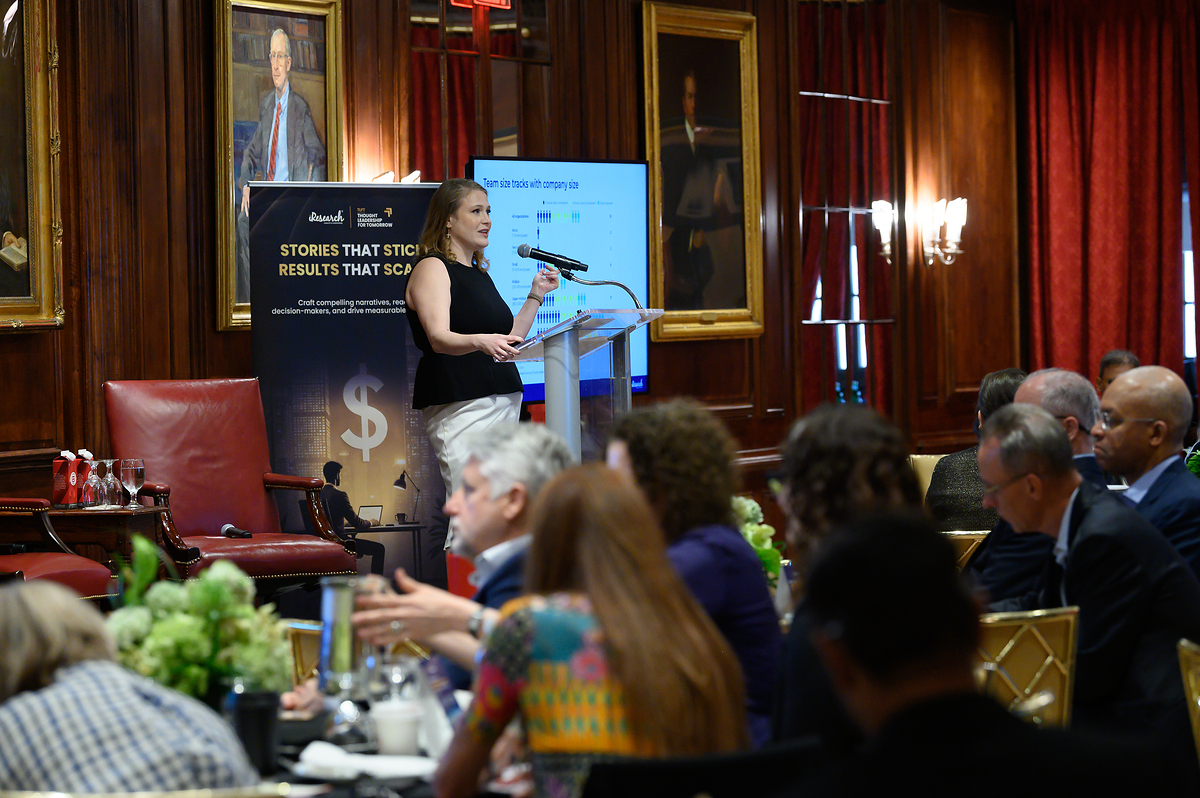
"When we look at the data, we see clear patterns in organizations that rate themselves strategic," says Brittany Williams, SVP Editorial at iResearch Services. "They are more likely to have a dedicated thought leadership team, they have more people involved in the thought leadership process, and they use more forms of research. We're excited to have some quantitative results that we feel help reflect the reality of thought leadership in practice today, including how organizations can pursue more strategic programs."
Thought Leadership in Practice 2026 is available now here.
About iResearch Services
iResearch Services is a global B2B thought leadership agency connecting data-driven insights, expert guidance, storytelling, and strategic activation to business growth. Working with Fortune 500 companies including IBM, PwC, LinkedIn, and Google, the agency delivers end-to-end thought leadership solutions.
SOURCE Thought Leadership For Tomorrow (TLFT)